
Introduction
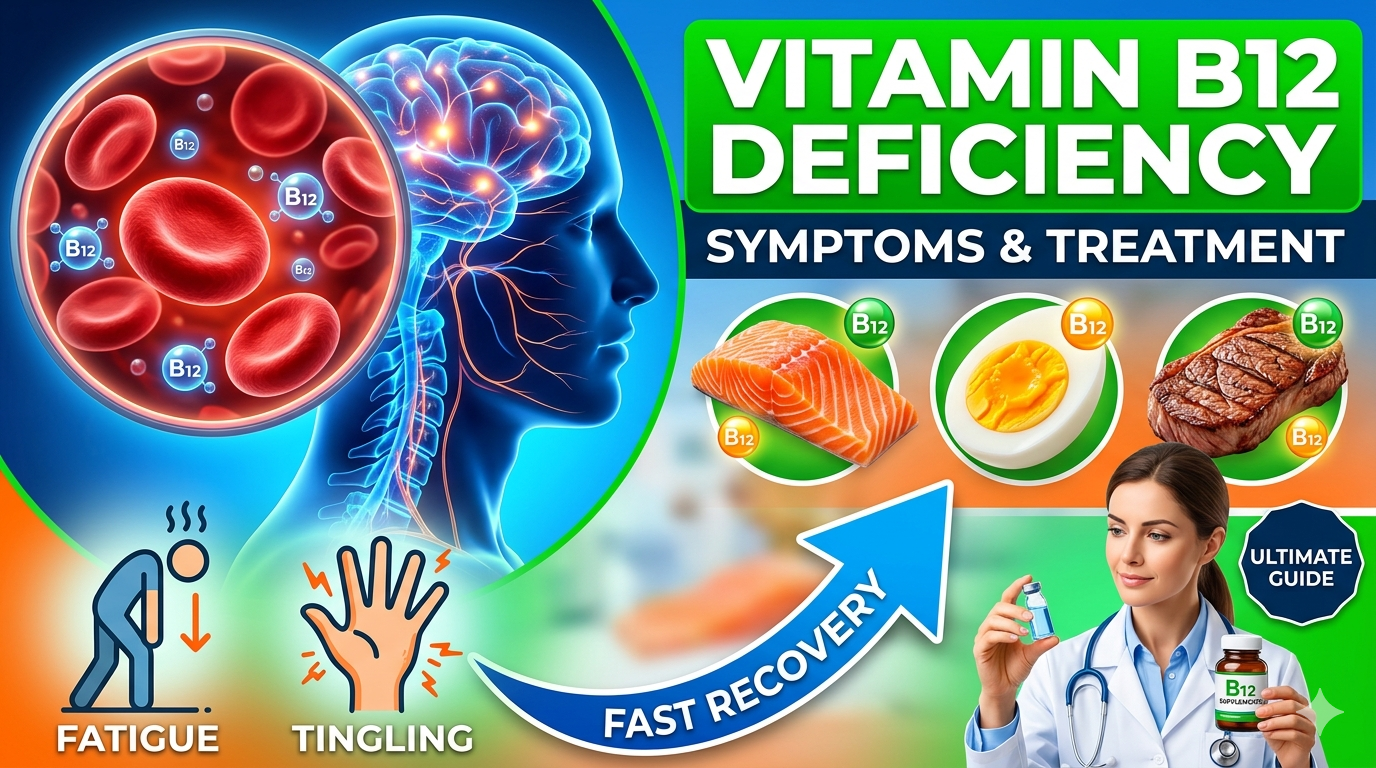
Vitamin B12 deficiency symptoms are becoming increasingly common worldwide. Vitamin B12, also known as cobalamin, is essential for producing red blood cells, maintaining nerve health, and supporting brain function.
When your body doesn’t get enough B12, it can lead to fatigue, weakness, mood changes, and cognitive problems. Many people remain unaware they are deficient until symptoms become severe.
Early recognition of symptoms can prevent permanent nerve damage, anemia, and other serious health problems. According to the National Institutes of Health, vitamin B12 is critical for neurological function and red blood cell production.
Maintaining healthy B12 levels supports immunity, energy, and overall wellbeing. In this ultimate guide, we will explore everything you need to know about vitamin B12 deficiency symptoms, causes, treatment, diet, and prevention.
What Is Vitamin B12
Vitamin B12 is a water-soluble vitamin found mainly in animal products. It is vital for:
Mayo Clinic states that vitamin B12 deficiency develops gradually and can lead to neurological complications if untreated.
Internal Link: Learn more about boosting immunity naturally here.
Importance of Vitamin B12
Vitamin B12 supports:
- Energy production
- Nervous system function
- Healthy blood cells
- Brain and cognitive health
- Immune system strength
Without adequate B12, your body may experience anemia, fatigue, and neurological issues.
Symptoms of Vitamin B12 Deficiency
Common vitamin B12 deficiency symptoms include:
- Extreme fatigue and weakness
- Pale or yellowish skin
- Shortness of breath
- Dizziness
- Tingling or numbness in hands and feet
- Memory loss
- Mood swings and depression
- Difficulty walking and balance problems
According to Cleveland Clinic, severe untreated B12 deficiency can lead to permanent nerve damage.
Early Warning Signs
Watch for early signs to prevent serious problems:
- Persistent tiredness
- Mood swings
- Headaches
- Loss of appetite
- Difficulty concentrating
Tip: Early detection ensures faster treatment and recovery.
Causes of Deficiency
Vitamin B12 deficiency can result from:
- Poor dietary intake (especially in vegetarians/vegans)
- Digestive disorders like Crohn’s or celiac disease
- Aging (reduced absorption)
- Certain medications (metformin, proton pump inhibitors)
- Stomach surgery affecting absorption
Harvard T.H. Chan School of Public Health explains that digestive issues are a major cause of deficiency.
Who Is at Risk
Groups at higher risk include:
- Older adults
- Vegetarians & vegans
- People with digestive disorders
- Those on long-term medications
- People with stomach surgeries
Regular health checkups help detect deficiencies early.
Vitamin B12 and the Immune System
Vitamin B12 supports immune function by helping produce red blood cells and maintain nerve health.
Internal Link: Check our guide on early signs of weak immune system here.
Vitamin B12 and Brain Health
Low B12 can cause:
- Memory issues
- Confusion
- Mood changes
- Difficulty focusing
Maintaining healthy B12 levels supports cognitive function.
Internal Link: Read about Vitamin D and immunity here.
Foods High in Vitamin B12
One of the best ways to avoid vitamin B12 deficiency symptoms is by eating foods naturally rich in vitamin B12. Because the human body cannot produce this vitamin on its own, it must be obtained through diet or supplements.
Here are some of the best foods that contain high levels of vitamin B12.
1️⃣Beef Liver

Beef liver is one of the richest sources of vitamin B12. Just a small serving can provide several times the recommended daily intake. It also contains iron and vitamin A which help support blood health.
2️⃣Salmon

Salmon is another excellent source of vitamin B12 and healthy omega-3 fatty acids. These nutrients support brain health and reduce inflammation in the body.
3️⃣Tuna

Tuna fish provides a good amount of vitamin B12 along with protein and minerals that help maintain overall health.
4️⃣Eggs

Eggs contain moderate amounts of vitamin B12 and are easy to include in daily meals.
5️⃣Dairy Products

Milk, yogurt, and cheese are also good sources of vitamin B12. They help support bone health and provide important nutrients.
According to the World Health Organization, maintaining balanced nutrition is essential for preventing micronutrient deficiencies.
External reference:
Top 12 Foods That Are High in Vitamin B12
Natural Sources of Vitamin B12
Natural sources of vitamin B12 mainly come from animal-based foods. People who follow vegetarian or vegan diets often struggle to get enough vitamin B12 from food alone.
Some natural sources include:
- fish
- red meat
- chicken
- eggs
- dairy products
- fortified cereals
For people who do not eat animal products, fortified foods and supplements may help maintain healthy levels.
External reference:
National Institutes of Health
Vitamin B12 Supplements
Sometimes diet alone is not enough to correct a deficiency. In such cases doctors may recommend vitamin B12 supplements.
Supplements are available in several forms:
- tablets
- capsules
- sublingual tablets
- injections
According to Mayo Clinic, vitamin B12 injections are often used for people who have severe deficiency or problems absorbing the vitamin from food.
External reference:
BRCA gene test for breast and ovarian cancer risk
How Doctors Diagnose Vitamin B12 Deficiency
Doctors usually diagnose vitamin B12 deficiency through simple blood tests.
These tests check:
- vitamin B12 levels
- red blood cell count
- hemoglobin levels
- homocysteine levels
If levels are too low, doctors may recommend further testing to determine the underlying cause.
External reference:
Vitamin B12 Deficiency
Treatment for Vitamin B12 Deficiency

Treatment depends on the severity of the deficiency.
Common treatments include:
1️⃣Vitamin B12 Supplements
Oral supplements are often recommended for mild deficiencies.
2️⃣Vitamin B12 Injections
For severe deficiency, doctors may prescribe injections to quickly restore vitamin levels.
3️⃣Dietary Changes
Eating more vitamin B12 rich foods can help prevent future deficiencies.
4️⃣Treating Underlying Conditions
If digestive disorders cause the deficiency, doctors will treat the underlying problem.
Lifestyle Tips to Improve Vitamin B12 Levels
Maintaining a healthy lifestyle can help improve vitamin levels and prevent future deficiencies.
Helpful tips include:
- eating a balanced diet
- including protein-rich foods
- exercising regularly
- getting enough sleep
- reducing stress
Healthy habits support both physical and mental wellbeing.
Preventing Vitamin B12 Deficiency
Prevention is always better than treatment. Here are some ways to prevent deficiency.
- eat foods rich in vitamin B12
- include fortified cereals in your diet
- take supplements if recommended
- have regular health checkups
- maintain balanced nutrition
External reference:
Find information and services to help you manage your health
Conclusion
Understanding vitamin b12 deficiency symptoms is essential for maintaining long-term health. Vitamin B12 plays a vital role in red blood cell production, nerve health, brain function, and energy levels.
Many people experience symptoms like fatigue, weakness, memory problems, and mood changes without realizing that vitamin B12 deficiency could be the cause.
Eating foods rich in vitamin B12, maintaining a balanced diet, and seeking medical advice when symptoms appear can help prevent serious complications. Early diagnosis and proper treatment ensure that the body receives the nutrients it needs for optimal health.
FAQs
1. What are the most common vitamin B12 deficiency symptoms?
The most common symptoms include fatigue, weakness, dizziness, memory problems, and numbness in hands and feet.
2. Who is most at risk of vitamin B12 deficiency?
Older adults, vegetarians, vegans, and people with digestive disorders are at higher risk.
3. How can vitamin B12 deficiency be treated?
Treatment usually includes supplements, dietary changes, or vitamin B12 injections.
4. Which foods contain the most vitamin B12?
Foods such as beef liver, salmon, tuna, eggs, milk, and fortified cereals contain high levels of vitamin B12.
4 thoughts on “Vitamin B12 Deficiency Symptoms & Treatment”