
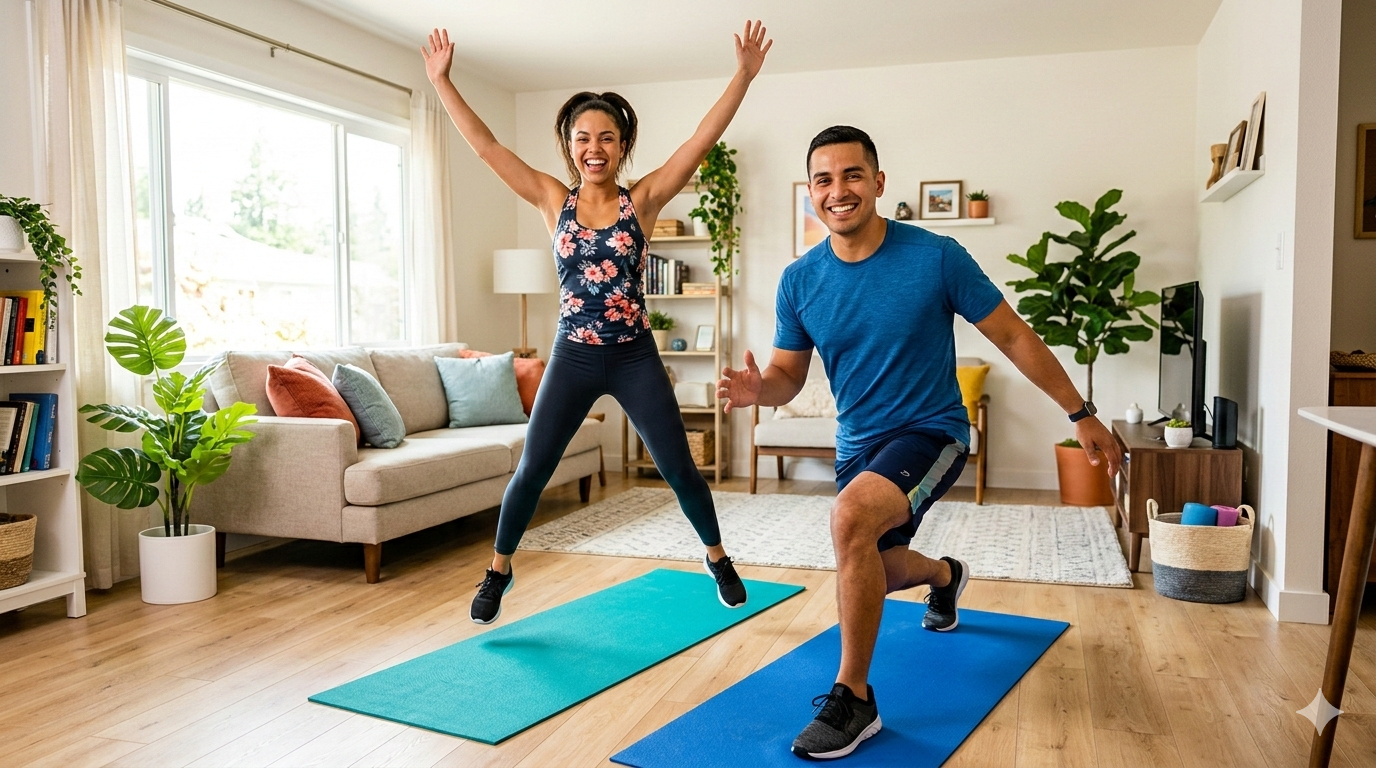
Starting a home workout plan for beginners is a fantastic way to improve your health, strength, and energy without leaving your home. Many beginners feel overwhelmed about where to start, what exercises to do, and how to structure their workouts. This guide will walk you step by step, making it simple, effective, and beginner-friendly.
By following this home workout plan for beginners, you’ll not only improve your fitness but also gain confidence, reduce stress, and enjoy a healthier lifestyle.
Benefits of a Home Workout Plan for Beginners
A home workout plan for beginners offers both physical and mental benefits.
Physical Benefits
- Strengthens muscles and tones your body
- Improves flexibility and balance
- Boosts heart health and stamina
- Helps in weight management
- Increases energy levels
According to the World Health Organization, regular physical activity reduces the risk of heart disease, diabetes, and obesity.
Mental Benefits
- Reduces stress and anxiety
- Enhances mood and confidence
- Improves sleep quality
- Boosts mental clarity and focus
Exercise releases endorphins, also known as the “feel-good hormones,” which improve your overall well-being.
Preparing for Your Home Workouts
Before you start your home workout plan for beginners, proper preparation ensures safety and effectiveness.
Create a Comfortable Space
Choose an area at home with enough room to move freely. Avoid clutter to prevent injuries.
Wear Comfortable Clothing
Breathable clothes and supportive shoes are essential for better performance.
Warm-Up
Spend 5-10 minutes warming up to prepare your muscles. Simple warm-ups include:
- Jumping jacks
- Arm circles
- Light jogging in place
Warming up prevents injuries and improves flexibility.
10 Essential Exercises for Beginners
This home workout plan for beginners includes simple yet effective exercises targeting all major muscle groups.
Bodyweight Squats
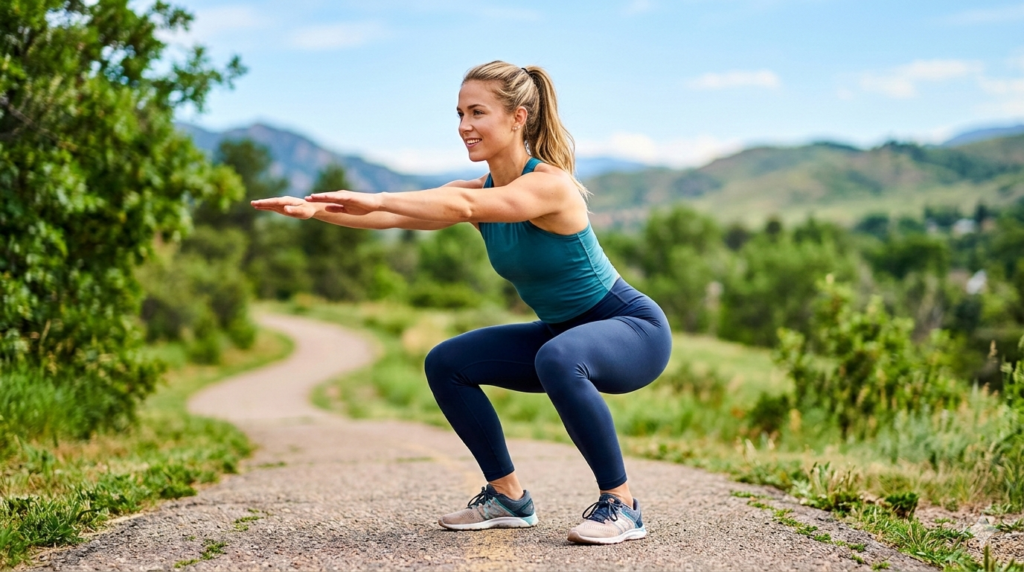
Benefits: Strengthens legs and glutes
Steps:
- Stand with feet shoulder-width apart
- Lower your body as if sitting on a chair
- Push back up slowly
Reps & Sets: 10-15 reps, 2-3 sets
Push-Ups
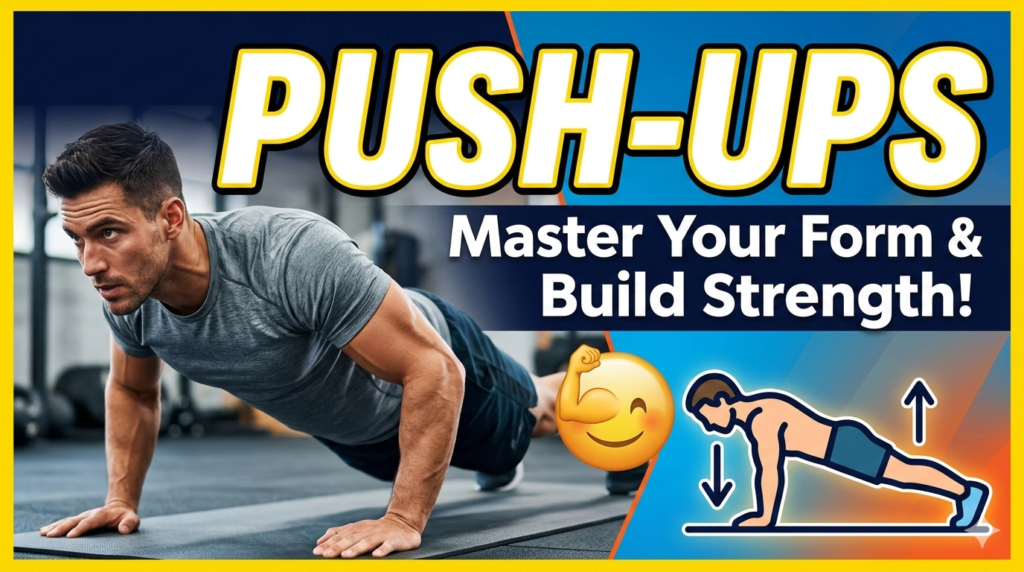
Benefits: Builds chest, shoulders, and arms
Steps:
- Place hands on the floor
- Lower your body until your chest is near the ground
- Push back up
Reps & Sets: 5–10 reps, 2 sets (beginners can do knee push-ups)
Plank
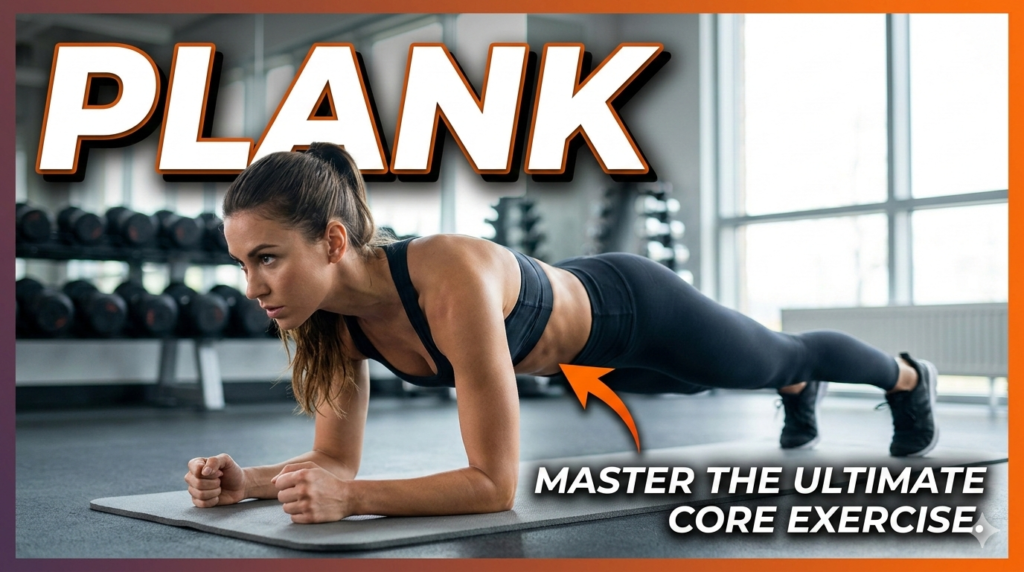
Benefits: Strengthens core and improves posture
Steps:
- Place forearms on the floor
- Keep your body straight
- Hold position while keeping core tight
Time & Sets: 15–30 seconds, 2–3 sets
Lunges
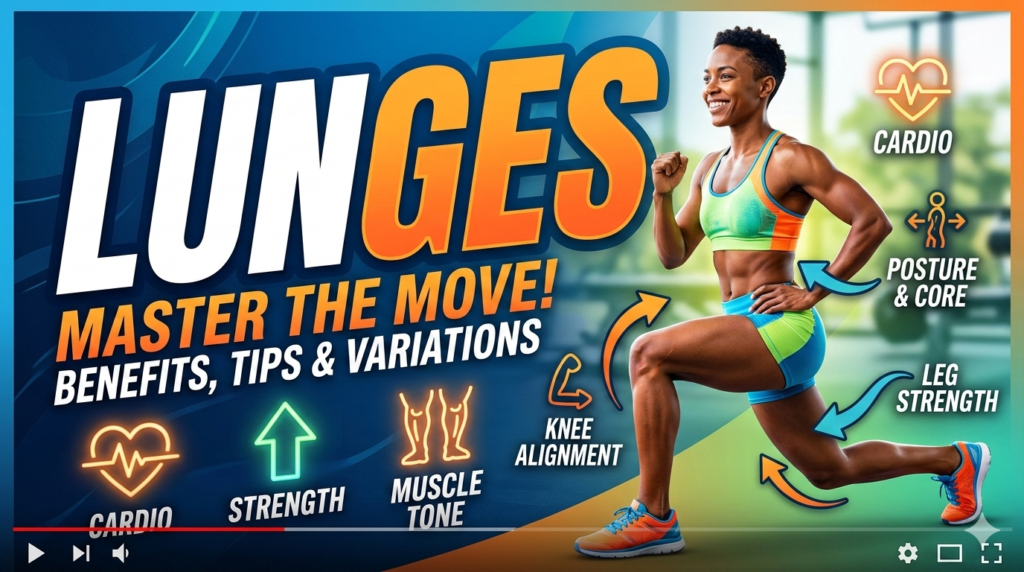
Benefits: Strengthens legs and improves balance
Steps:
- Step forward with one leg
- Lower your hips until both knees are bent at 90°
- Return to starting position
Reps & Sets: 8-12 reps per leg, 2 sets
Jumping Jacks
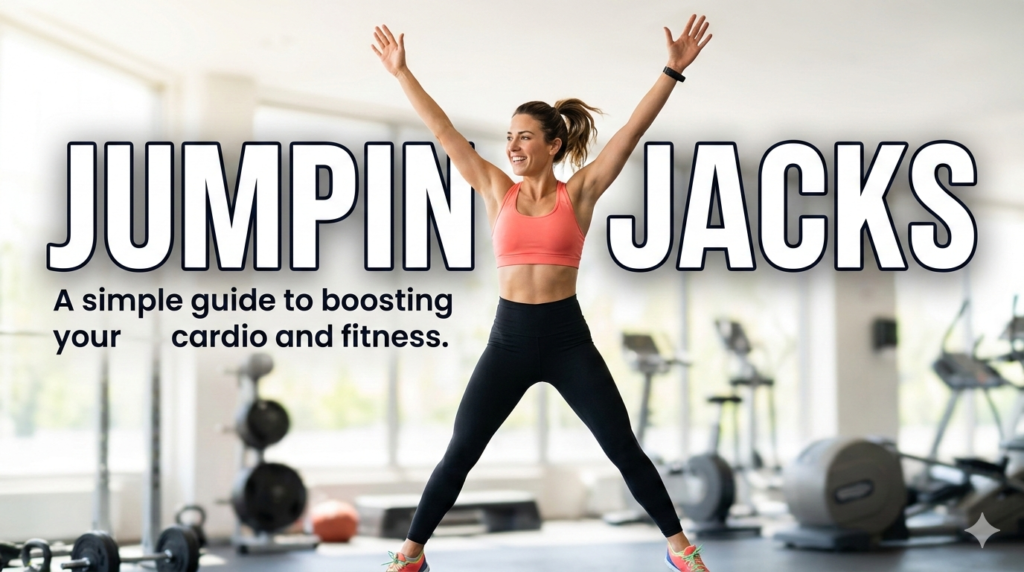
Benefits: Enhances cardiovascular fitness
Steps: Jump with legs apart and arms overhead, then return to start
Time & Sets: 20-30 seconds, 2 sets
Glute Bridges

Benefits: Strengthens glutes and core
Steps: Lie on back → Lift hips → Lower slowly
Reps & Sets: 12 reps, 2 sets
Mountain Climbers

Benefits: Cardio + core strength
Steps: High plank → Alternate knee drives forward
Time & Sets: 20–30 seconds, 2 sets
Side Plank
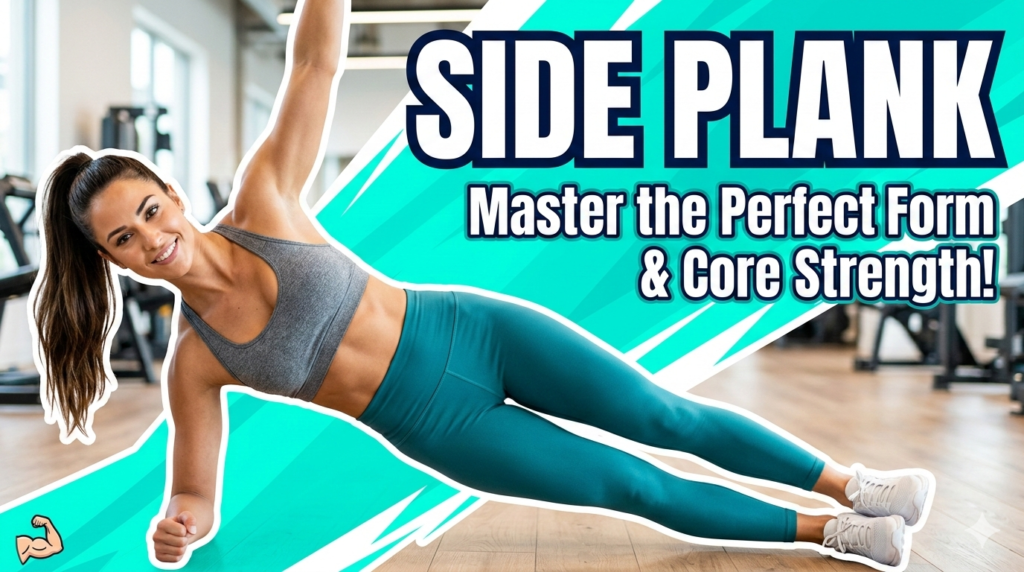
Benefits: Obliques and core stability
Steps: Side on floor → Lift hips → Hold
Time & Sets: 15–20 seconds per side, 2 sets
Wall Sit
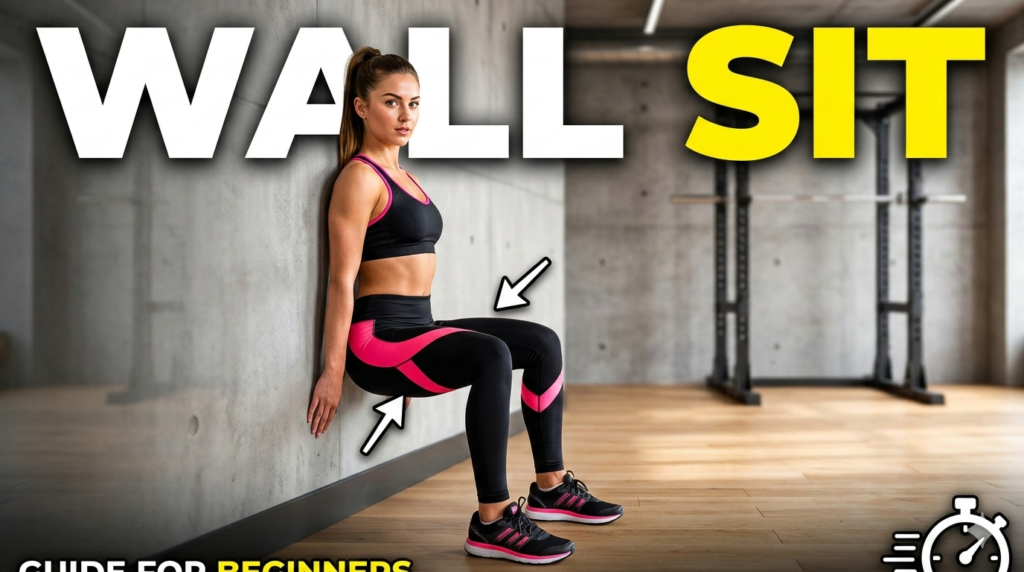
Benefits: Strengthens legs and endurance
Steps: Back to wall → Slide down → Hold position
Time & Sets: 20–30 seconds, 2 sets
Standing Calf Raises
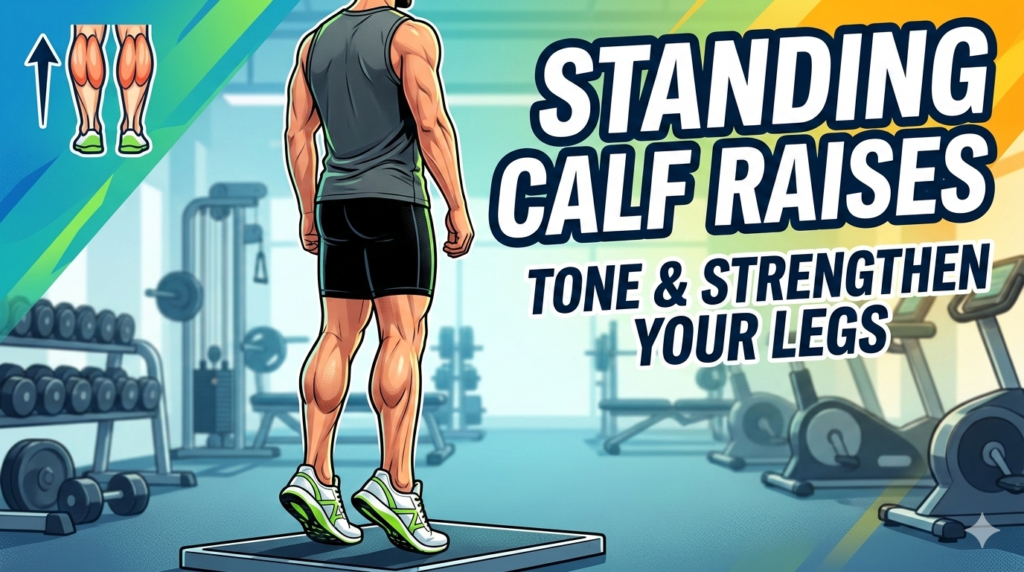
Benefits: Strengthens calves and improves balance
Steps: Stand → Raise heels → Lower slowly
Reps & Sets: 12–15 reps, 2 sets
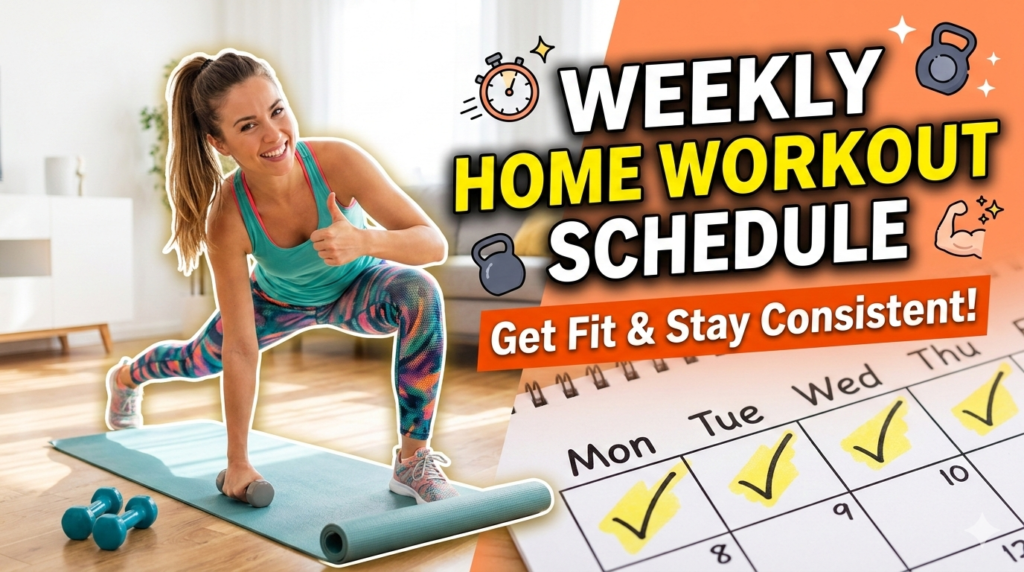
Weekly Home Workout Schedule
Day Workout Type
Monday Full body workout
Tuesday Rest
Wednesday Full body workout
Thursday Rest
Friday Full body workout
Saturday Light cardio or yoga
Sunday Rest
This schedule ensures proper recovery and consistent progress.
Tips for Staying Consistent
Start Small
Avoid overtraining; begin with short sessions and gradually increase.
Set Realistic Goals
Aim for achievable daily or weekly targets.
Track Progress
Use a journal or app to track reps, sets, and improvements.
Stay Hydrated
Drink water before, during, and after workouts.
The Mayo Clinic recommends staying hydrated to improve exercise performance.
Use Internal Resources
Check other fitness guides on HealthNestTips for additional exercises and tips.
Common Beginner Mistakes to Avoid
- Skipping warm-up
- Overtraining in the first week
- Poor posture/form
- Not resting adequately
- Ignoring consistency
Avoid these mistakes to ensure safe and effective workouts.
How Long Before You See Results?
With consistent effort in your home workout plan for beginners:
- 1 week: Improved energy levels
- 2-4 weeks: Better strength and endurance
- 6-8 weeks: Visible body changes and muscle tone
Remember, patience and consistency are key.
Conclusion
Starting a home workout plan for beginners is simple, cost-effective, and highly beneficial. You don’t need a gym membership or expensive equipment. With exercises like squats, push-ups, lunges, planks, and jumping jacks, you can improve your strength, stamina, and overall health.
Focus on consistency, proper form, and gradual progression. Make this plan a daily habit, and within weeks, you’ll notice stronger muscles, better energy, and a healthier lifestyle.
Start your fitness journey today and enjoy the benefits of exercising at home!
FAQs
- What is the best home workout plan for beginners?
A mix of squats, push-ups, planks, lunges, and jumping jacks is highly effective for beginners.
- How many days per week should beginners exercise?
3-4 days per week is ideal for beginners to allow recovery.
- Can I build muscle at home?
Yes, bodyweight exercises in this plan help build strength and muscle gradually.
- How long should a beginner’s workout session be?
Start with 15-20 minutes per session, increasing as strength improves.
- Are rest days necessary for beginners?
Yes, rest days allow muscles to recover and prevent injury.